The “WASH” (Water, Sanitation, and Hygiene) project is a year-long initiative running from October 2024 to September 2025, aimed at improving water access, sanitation, and hygiene practices for vulnerable communities and schools in Jordan Valley.
This project is funded by Rostropovich-Vishnevskaya Foundation and is implemented by the Universal Education Foundation (UEF). It will directly benefit 20,000 persons, including 13 schools in Jordan Valley (Kardala, Bardala, Ain Al-Bayda, Marj Na’ja, Marj Al-Ghazal, Al-Jiftlik, Fasayil and Al-Zubaidat).
Why is this Project Needed?
Jordan Valley faces significant challenges related to water scarcity, poor sanitation, and inadequate health services. Many schools in the area suffer from severe water shortages, relying on rainwater collection or tankers for their water supply. This often results in unsafe drinking water, leaving students vulnerable to waterborne diseases such as typhoid fever, salmonellosis, shigellosis, various worms and hepatitis A. Poor hygiene practices and inadequate sanitation facilities compound these health risks, affecting both students’ well-being and educational outcomes. The WASH project is essential in addressing these issues and improving health and hygiene practices in local communities and schools.
Goals and objectives:
Increase drinking water storage capacity in the targeted schools.
Monitor drinking water quality through periodic testing.
Provide water to schools in need.
Promote personal hygiene behaviors and increase awareness.
Improve access to wash facilities through maintenance and renovation.
Support schools initiatives concerning rationalization of water consumption and hygiene.
Increase community awareness for safe water and sanitation.
Increase teachers and principals’ awareness related to safe water and sanitation.
Activities:
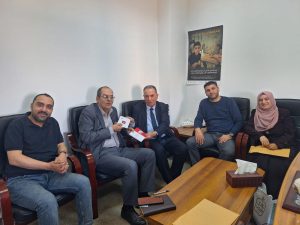
1- Meeting with Ministry of Education staff “environmental department” for planning.
2- Meeting with Jordan valley village councils:
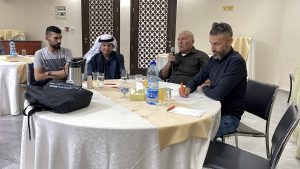
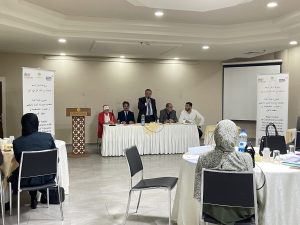
Launching the project in the presence of MoE, and village councils.
Introduce the project to the nurses who will work on implementing its activities
Introduce the project to the village councils to have their support for the implementation.
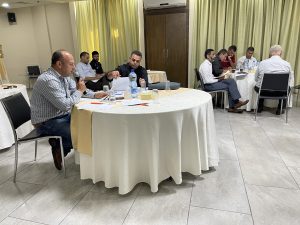
3- Policy maker workshop Jericho and Tobas:
13 principles in addition to the policy makers from MoE. (comprehensive school health and environmental departments).
4- Presentation by environmental department
Briefing on the project step by step
Planning for the implementation
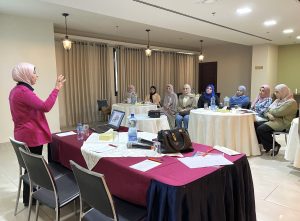
5- Trainings:
Selecting 10 nurses from the targeted villages
Train them on water safety, hygiene and sanitation
Providing them with educational material needed for their work
The trained nurses conducted an awareness campaign in their villages for more than 300 women on water safety, hygiene and sanitation.
6- Awareness:
The trained nurses conducted an awareness campaign in their villages for more than 300 women on water safety, hygiene and sanitation.
Materials & Supplies:
Materials:
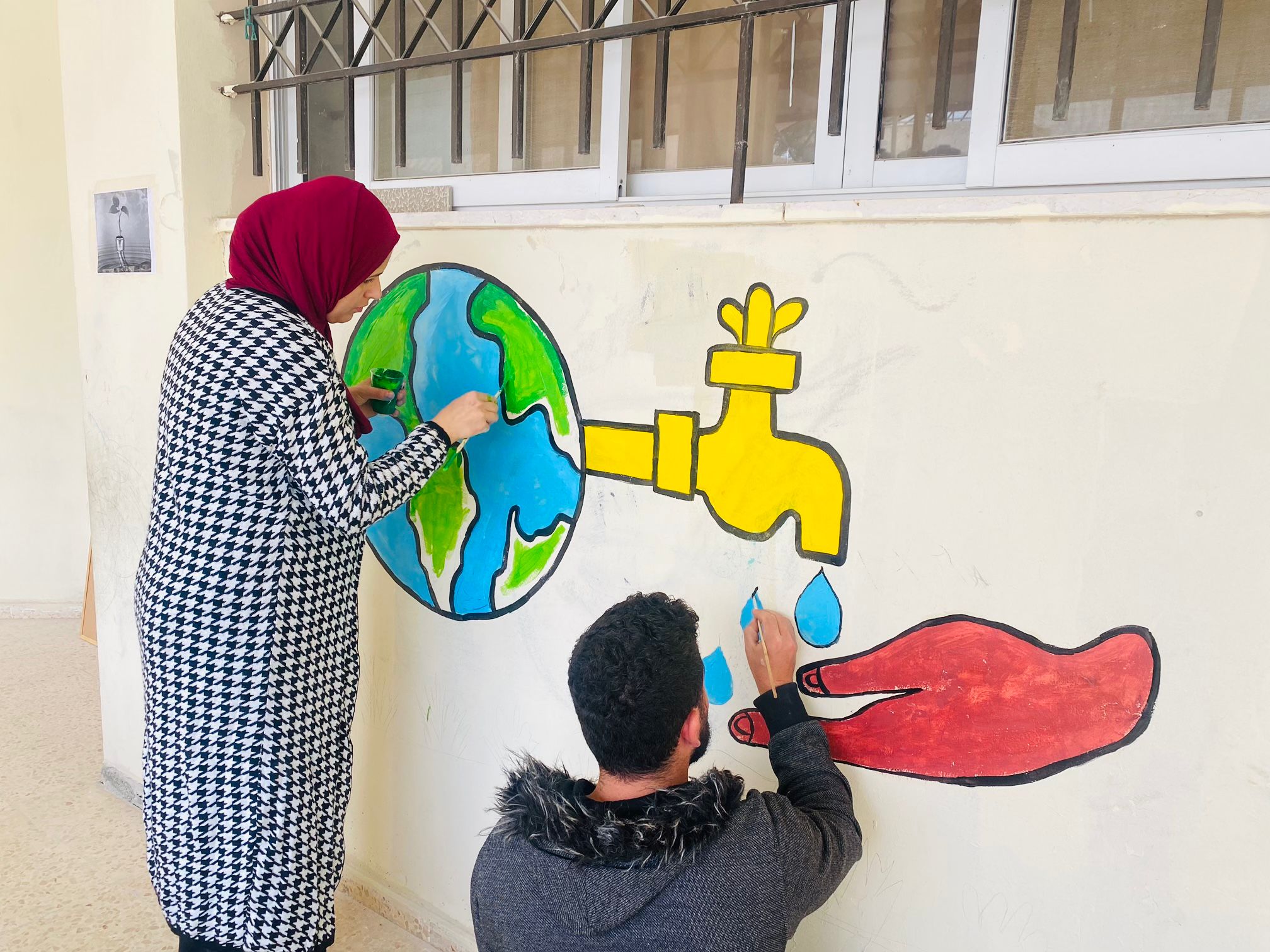
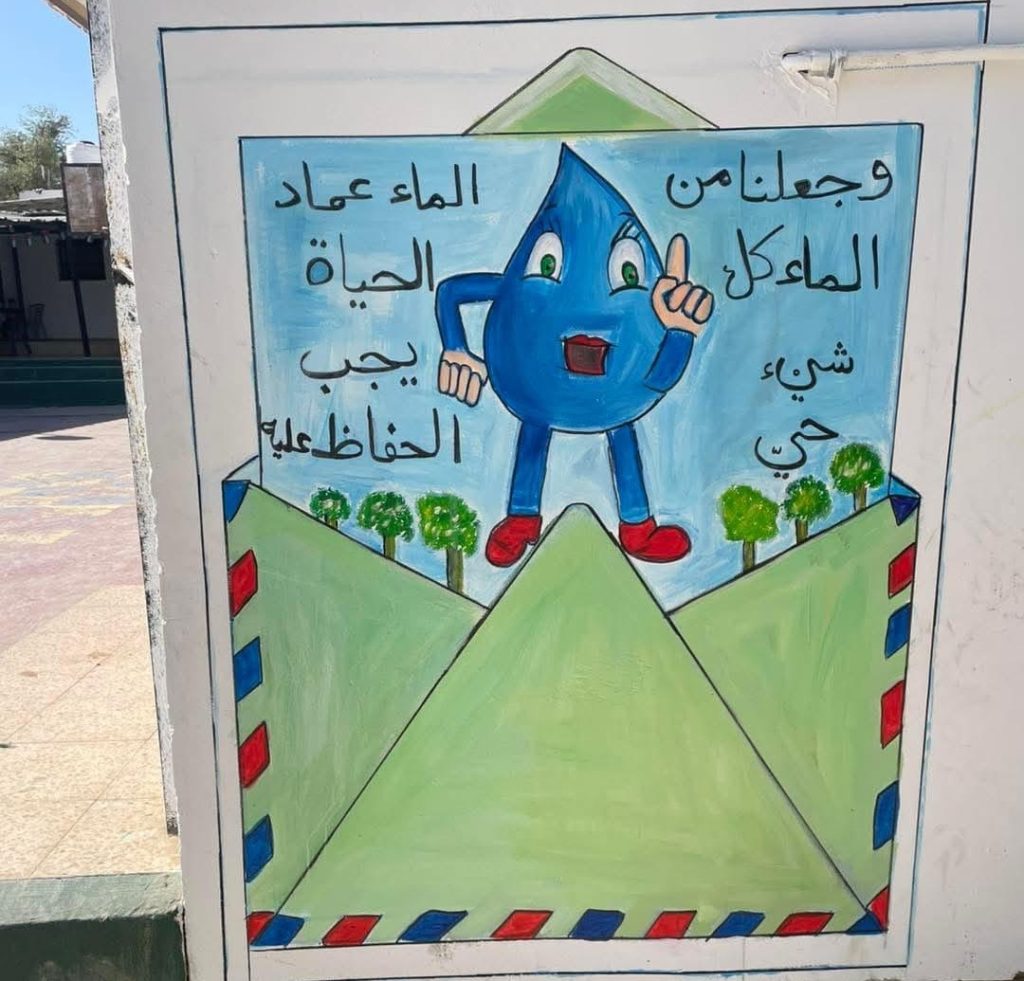
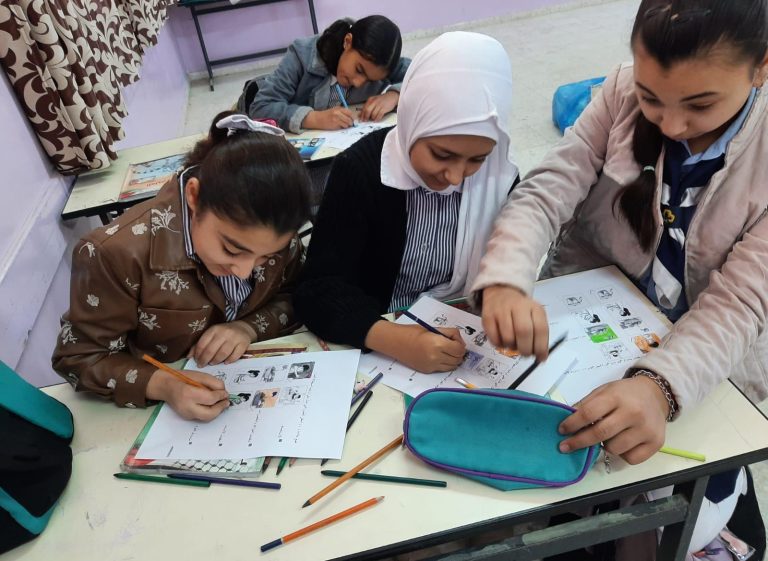
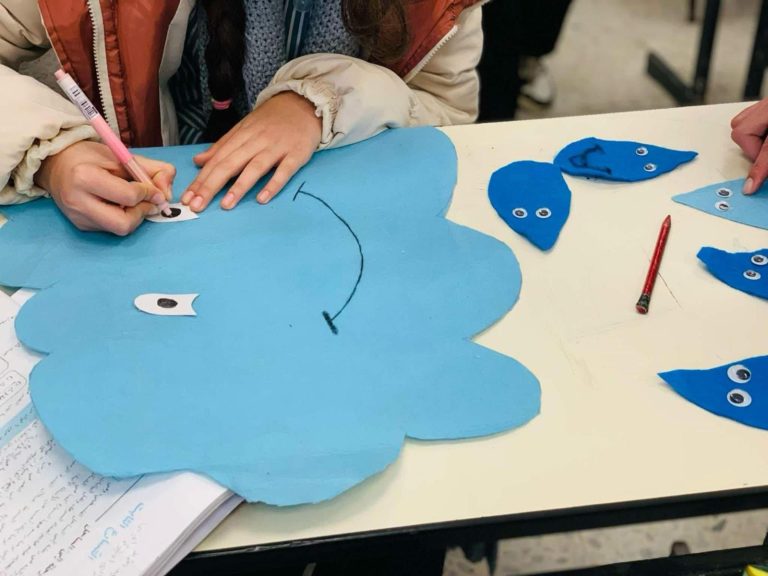
Providing schools with needed materials for the students work in 13 schools, including stationary for different activities and painting materials for mural art. These materials will support certain student-led initiatives focused on water safety.
Supplies:
26 water tanks were provided 2 for each school, replacing the old one
13 photochlorometer (one for each school)
chlorine tablets (the amount serves for 2 years)
Surveys:
Two surveys were prepared in collaboration with UEF, RSV, and the MoE, one targeting the 13 schools and the other for the communities of 8 villages. A total of 13 questionnaires from the schools and 286 from the communities were completed.
Stay connected with us on social media to follow our progress and support our efforts to create a healthier, more sustainable environment for the communities in the Jordan Valley.