Reproductive Health
The project aims to raise awareness among students in the Jordan Valley about reproductive health, personal hygiene, and the physical, mental, and emotional changes that occur during adolescence. It uses the “Peer-to-Peer Education” approach, enabling adolescents to play an active role in sharing knowledge with their peers in a safe and age-appropriate manner.
The project is implemented by the Universal Education Foundation in partnership with the Ministry of Education and Higher Education, directly benefiting thousands of students across schools in the Jordan Valley, such as: Marj Na’jeh Secondary, Marj Al-Ghazal Basic, Marj Al-Ghazal Girls’ Secondary, Al-Zubaidat Secondary, Khalid Bin Al-Waleed Basic, Fasa’il Secondary, Bardala Secondary, Ein Al-Bayda Secondary, Bardala Girls’ Secondary, and Ein Al-Bayda Girls’ Secondary.

Why is this project needed?
Adolescents in the Jordan Valley face several challenges due to limited awareness of reproductive health and scarce resources to navigate puberty safely. Many students lack accurate information about the physical, mental, and emotional changes during puberty, which may lead to anxiety or adopting unhealthy habits. The project aims to fill this gap by providing a supportive school environment that allows students to discuss and learn interactively and safely.
Goals and objectives:
- Raise students’ awareness of reproductive health and personal hygiene.
- Develop essential life skills such as public speaking, communication, and teamwork.
- Empower students to lead awareness initiatives within their schools.
- Train school staff to support students during puberty.
- Integrate reproductive health into school education programs in a sustainable manner.
Activities:
1- Planning Meeting: An initial meeting was held with the Ministry of Education and Higher Education (School Health Department) to coordinate the project and define roles and responsibilities.
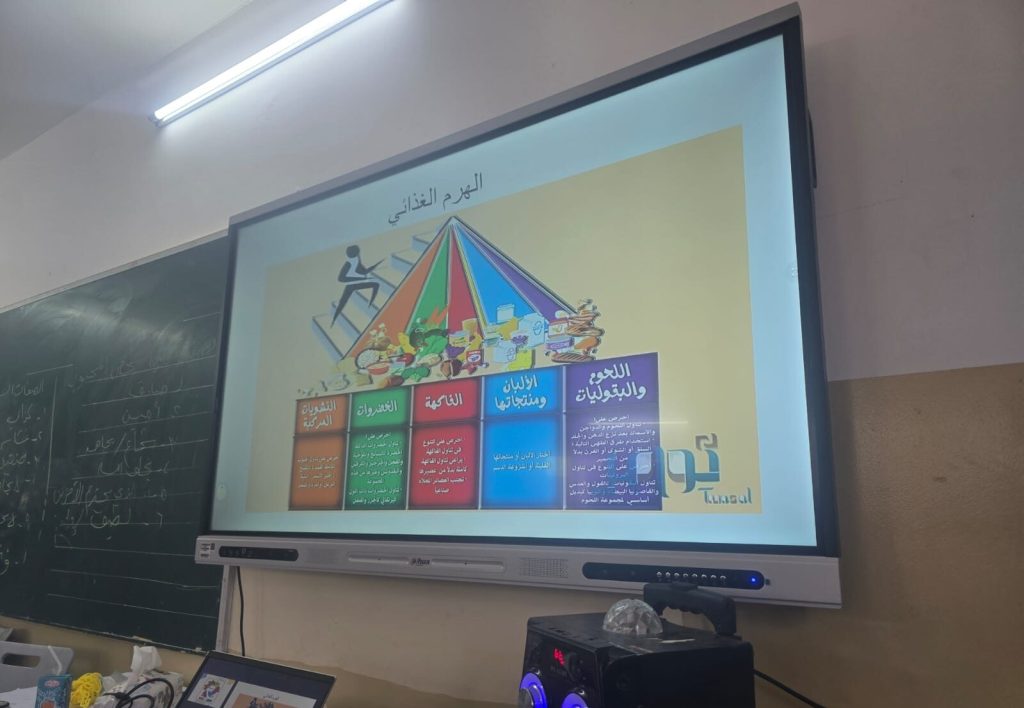
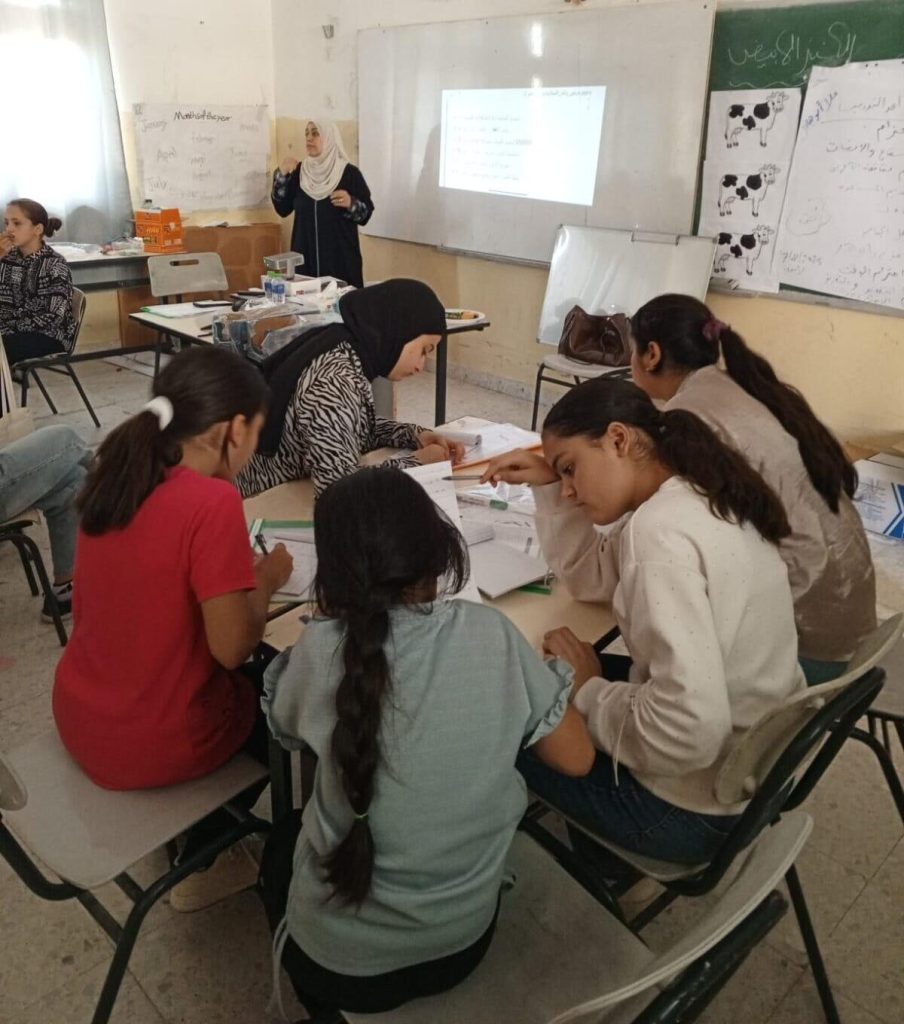
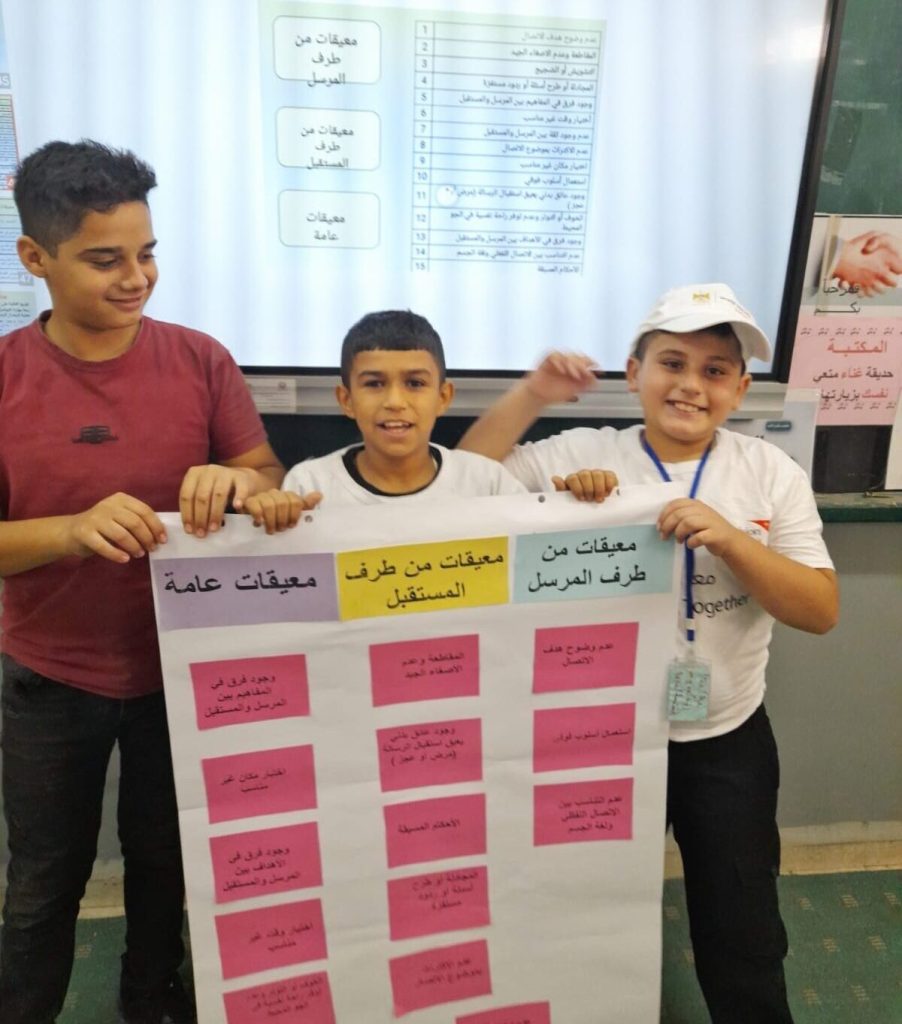
2- “Peer-to-Peer” Training: The Foundation, in collaboration with the Ministry, organized a 15-hour specialized training titled “Peer-to-Peer Training on Personal Hygiene and Safe Puberty” targeting students in grades 7–9 from the beneficiary schools.
The training focused on five main areas:
- Life Skills: Self-esteem, communication, active listening, empathy, teamwork, and effective planning.
- Adolescent Health Concepts: Menstruation in girls, puberty in boys, physical, mental, and emotional changes during puberty.
- Effective Public Speaking Skills
- Identifying School-Based Needs and developing awareness activities accordingly.
- Designing a Time-Bound Action Plan for implementing awareness activities during the first semester.
At the end of the training, a set of activities to be implemented during the first semester was agreed upon, with the activities and action plan prepared with the support of the school counselor, the health committee coordinator, and the field health officer.
Resources and Materials:
- Age-appropriate educational materials.
- Booklets and brochures on reproductive health and personal hygiene.
- Interactive teaching tools to support peer-to-peer activities.
- Teacher and counselor training to ensure sustainability beyond the project’s duration.
Through this project, the Universal Education Foundation seeks to empower adolescents to become positive change agents in their schools and communities, while promoting a safe and healthy school environment that supports their physical, mental, psychological, and emotional development.
