The Act2gether for Child Rights and Well-being project is implemented in Palestine by the Learning for Well-being Foundation (L4WB-F) and the Universal Education Foundation (UEF) in close collaboration with the Ministry of Education and other national and local stakeholders.
The initiative is part of the broader Act2gether programme and aims to promote the rights and well-being of children and adolescents through child-led action, intergenerational partnerships, and locally informed approaches.
Why this project matters
In Palestine, many children face barriers to fully exercising their rights. Disrupted access to education, persistent psychosocial stress, and limited recreational spaces constrain their development and participation. Despite these challenges, young people express a strong desire to be heard, to play, and to be part of decisions that affect their lives.
This project recognises children not as passive recipients, but as capable actors of change. It creates practical and safe opportunities for them to lead initiatives, build skills, and connect with adults in ways that foster shared responsibility and care.
Our approach
Rooted in a children’s rights-based approach, the project encourages active collaboration between children and adults. Participation is understood as both a right and a practice that contributes to well-being.
At the core is the Children’s Advisory Group (CAG), which plays a guiding role in shaping, implementing, and evaluating the project. Children are supported to lead activities, make decisions, and influence how the project unfolds in their communities and schools.
The project works across three main areas:
- Building connections: Strengthening support networks
We work with schools, families, counselors, and local leaders to strengthen environments where children’s voices are integrated into everyday decisions. Local facilitators ensure that children’s needs and ideas are taken seriously, contributing to a broader culture of inclusion and trust.
- Building capacity: Child-led action for well-being and rights
Children are supported to take action through two school-based programmes:
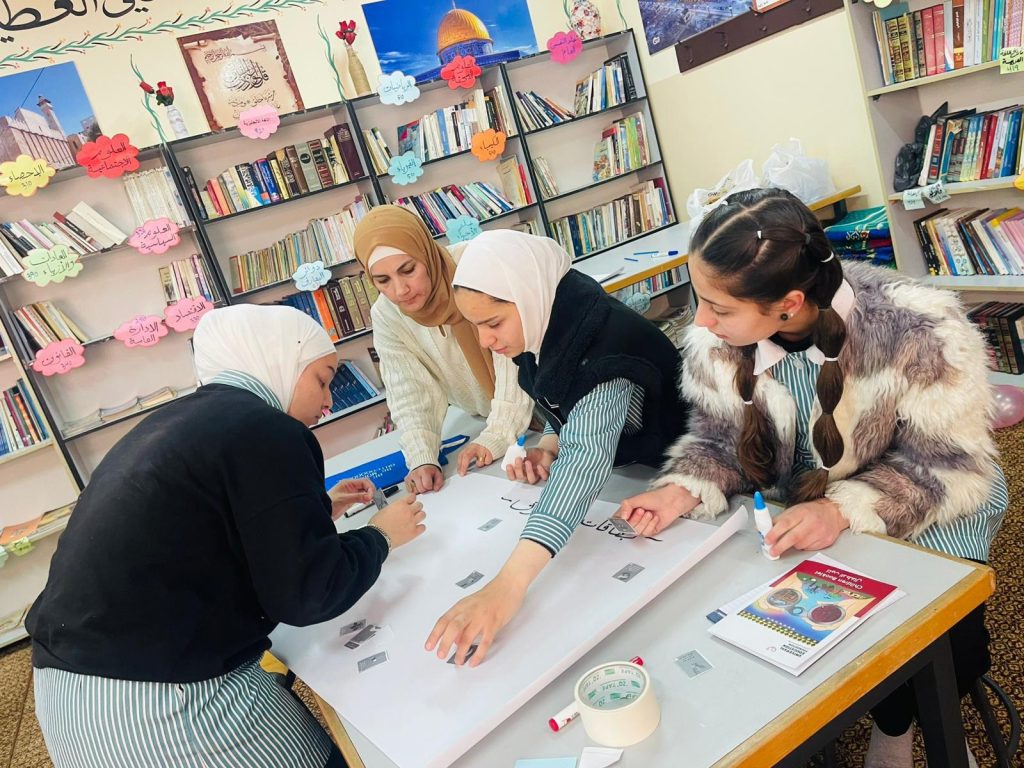
- Peer-to-Peer Emotional Social Support – Students are trained to support their peers in recognising and managing stress and anxiety, promoting care and resilience in their schools and communities.
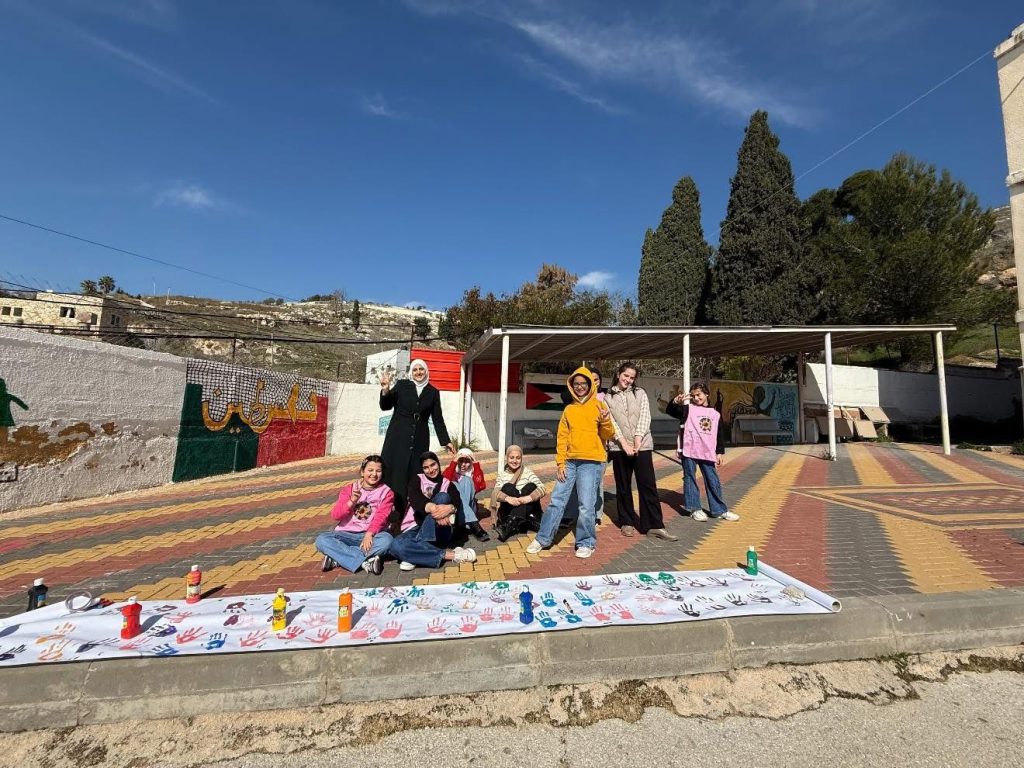
- Child-led Social Action for the Right to Play – Children design and implement initiatives that expand access to meaningful and safe opportunities for play—affirming recreation as a right and a contributor to social cohesion.
To support these efforts, 58 micro-grants are awarded to school-based groups, enabling them to implement child-led initiatives. This allows children to be active changemakers in their communities. The CAG helps shape the micro-grant criteria and selects projects alongside adult facilitators.
- Building understanding: Amplifying children’s voices and knowledge
The project includes a comprehensive monitoring, evaluation, and learning framework that captures children’s experiences and informs continuous improvement. Resources such as handbooks and guidelines are developed for facilitators, parents, and children, supporting sustainability beyond the project’s timeline.
Digital communications play an important role: stories and reflections are co-created with participants to ensure that children’s voices are present in how the project is understood and shared, locally and internationally.
How this project creates change
Through hands-on leadership in their schools and communities, children develop greater confidence, practical skills, and a deeper understanding of their rights. They learn to collaborate with peers and adults, and to influence decisions that affect their daily lives.
At the same time, educators, parents, and school leaders take on mentorship roles and learn how to support children’s participation in meaningful ways. This helps establish more inclusive and responsive practices in education and community settings.
The result is a shared investment in child well-being, where children and adults work together to shape supportive environments and long-term solutions.
At a glance
- Duration: October 2024 – October 2025
- Direct participants: 692 children and adolescents (ages 10–18)
- Child-led projects: 58 school-based initiatives supported by micro-grants
- Core programmes: Peer-to-Peer Emotional Social Support and Right to Play
- Led by: UEF and L4WB-F, in coordination with the Ministry of Education
Activities
The project includes a series of capacity-building, coordination, and child-led activities implemented across participating schools in Palestine:
- Establishment of a Local Steering Committee — Includes representatives from UEF, the Ministry of Education, partner NGOs, experts, and the CAG.
- Development and distribution of 3 key learning resources — including training guideline ( Curriculum ), a child-friendly booklet, and adapted WHO (Doing What Matters in Times of Stress: An Illustrated Guide) .
Furthermore, a training guideline (Curriculum), co-developed with the Ministry of Education, was piloted during the CAG training.
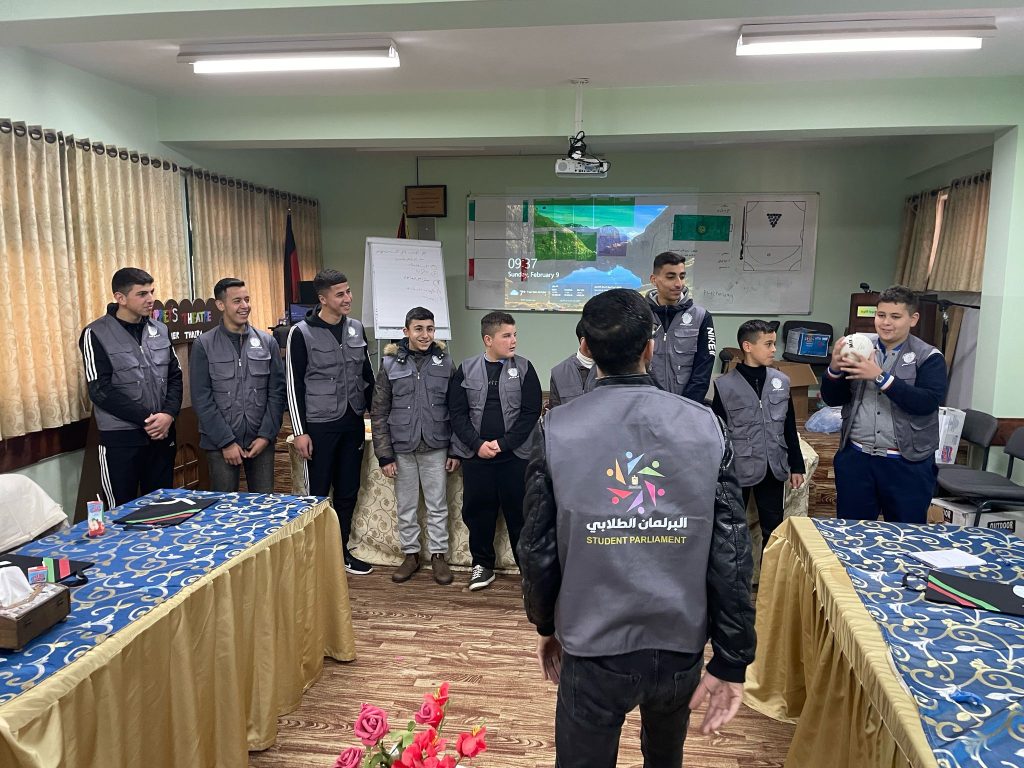
- Children’s Advisory Group (CAG) received training, with 12 children completing 30 hours of training on well-being, children’s rights, peer education, budgeting, and social-emotional support.
- Orientation for 100 MoE decision-makers — Introducing the project’s objectives, implementation, and school-level impact.
- Training of Trainers (ToT) — Engaging 94 school-based professionals from public and private schools.
- School leadership onboarding — Involving 58 principals from government and private schools.
- Teacher and parent onboarding — Reaching 1,266 government school teachers, 103 private school teachers, 636 parents from government schools, and 33 from private schools.
- Student parliament training in 58 schools — Reaching 692 students and focusing on well-being, rights, and leadership.
- Child-led initiative development (42 Children Right to Play & 16 Peer to Peer)— 58 initiatives were implemented by the student parliament members, after the proposals were approved, using the micro grant protocol.
We invite you to stay connected and learn more about how this project is transforming the lives of children in Palestine.
